Introduction
Spices are an essential part of Indian cooking, adding flavor, aroma, and character to our daily meals. From turmeric and red chilli powder to coriander and black pepper, spices are used in almost every kitchen across the country.
However, not all spices available in the market are of the same quality. In some cases, spices may be adulterated with cheaper substances, artificial colors, or fillers to reduce costs or improve appearance. Understanding spice adulteration can help consumers make informed decisions and choose better-quality ingredients for their families.
In this guide, we’ll explore common types of spice adulteration, why it happens, and practical tips to identify quality spices.
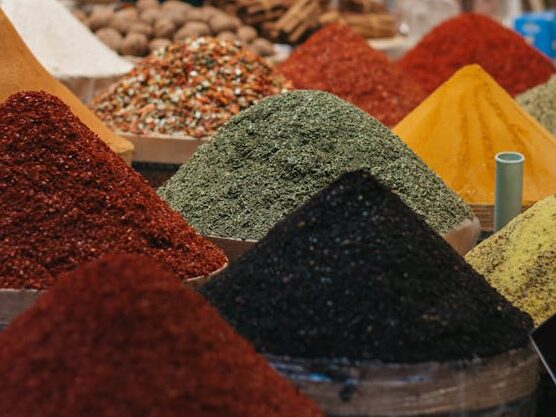
What Is Spice Adulteration?
Spice adulteration refers to the addition of substances that reduce the purity or quality of a spice. These additions may be intentional or occur during processing and handling.
The purpose is often to increase quantity, reduce production costs, or improve visual appeal. While adulteration may not always be obvious, it can affect the taste, aroma, and overall quality of spices.
Why Does Spice Adulteration Happen?
Several factors contribute to adulteration in the spice industry:
- Increasing product weight at lower cost
- Enhancing color and appearance
- Improving profit margins
- Meeting demand with lower-quality ingredients
This is why choosing trusted sources and understanding quality indicators is important.
Common Types of Spice Adulteration
Turmeric Powder
Turmeric is one of the most commonly used spices in Indian households.
Possible concerns may include:
- Artificial coloring agents
- Excess fillers
- Low-quality turmeric blended with better-quality powder
Signs to watch for:
- Unnaturally bright yellow color
- Weak earthy aroma
- Excessive staining
Red Chilli Powder
Red chilli powder is valued for both color and flavor.
Potential issues may include:
- Artificial color enhancement
- Addition of non-spice fillers
- Poor-quality chilli powder blends
Signs to watch for:
- Extremely vibrant red color
- Lack of natural chilli aroma
- Unusual texture
Coriander Powder
Coriander powder should have a mild, fresh, citrus-like aroma.
Possible concerns:
- Low-quality fillers
- Excessive husk or plant material
Signs to watch for:
- Weak aroma
- Dull flavor
- Unusual consistency
Black Pepper
Black pepper is among the most valuable spices, making quality important.
Signs of good-quality pepper:
- Strong aroma
- Firm peppercorns
- Consistent appearance
Whole Spices vs Ground Spices
Many consumers prefer whole spices because they allow greater visibility into quality and freshness.
Benefits of whole spices:
- Better aroma retention
- Longer shelf life
- Easier visual inspection
- Fresh grinding when needed
Whole spices can be an excellent choice for those who prioritize quality and authenticity.
How to Choose Better Quality Spices
Here are some practical tips:
Buy From Trusted Brands
Choose suppliers that emphasize quality, transparency, and proper sourcing.
Check Aroma
Fresh spices should have a distinct natural aroma. Weak-smelling spices may indicate age or poor quality.
Examine Color Carefully
Natural spices usually have balanced, authentic colors rather than excessively bright shades.
Read Labels
Look for clear ingredient information and product details.
Store Properly
Keep spices in airtight containers away from heat, moisture, and direct sunlight.
Why Pure Spices Matter
The quality of spices affects more than just flavor. Pure spices help preserve the authentic taste of recipes and provide confidence in the ingredients used every day.
Choosing carefully sourced spices allows consumers to enjoy natural aroma, better flavor, and greater peace of mind.
Frequently Asked Questions
What is spice adulteration?
Spice adulteration refers to the addition of substances that reduce the purity or quality of spices.
Are whole spices better than powdered spices?
Whole spices generally retain aroma longer and allow easier quality inspection, while powdered spices offer convenience.
How can I identify quality spices?
Check aroma, color, freshness, packaging, and purchase from trusted suppliers.
Why is spice purity important?
Purity helps maintain authentic flavor, aroma, and overall ingredient quality.
Conclusion
Spices are an important part of Indian cooking, making quality an essential consideration. Understanding common forms of spice adulteration and learning how to evaluate spices can help consumers make more informed choices.
Whether choosing turmeric, chilli powder, coriander, or whole spices, focusing on purity and quality ensures a better cooking experience and more authentic flavors in every meal.
Interesting reads:
How to Identify Adulterated Turmeric Powder at Home