Introduction
Most Indian households use turmeric every day, whether in vegetables, lentils, curries, or traditional remedies. While turmeric is valued for its natural color and curcumin content, not every turmeric powder available in the market is pure.
Some products may contain artificial colors, fillers, or other substances that affect both quality and authenticity. Knowing how to identify adulterated turmeric powder can help you make better choices for your family.
In this guide, we’ll explore common signs of adulteration and simple checks you can perform at home.
Why Is Turmeric Often Adulterated?
Turmeric is one of India’s most widely consumed spices. Because of its popularity and value, some suppliers may add fillers or artificial coloring agents to improve appearance or increase quantity.
Common reasons include:
- Making turmeric appear brighter
- Increasing product weight
- Reducing production costs
- Creating a stronger visual appeal
The result is a product that may look attractive but lacks the natural characteristics of high-quality turmeric.
Signs That Your Turmeric May Not Be Pure
Unnaturally Bright Yellow Color
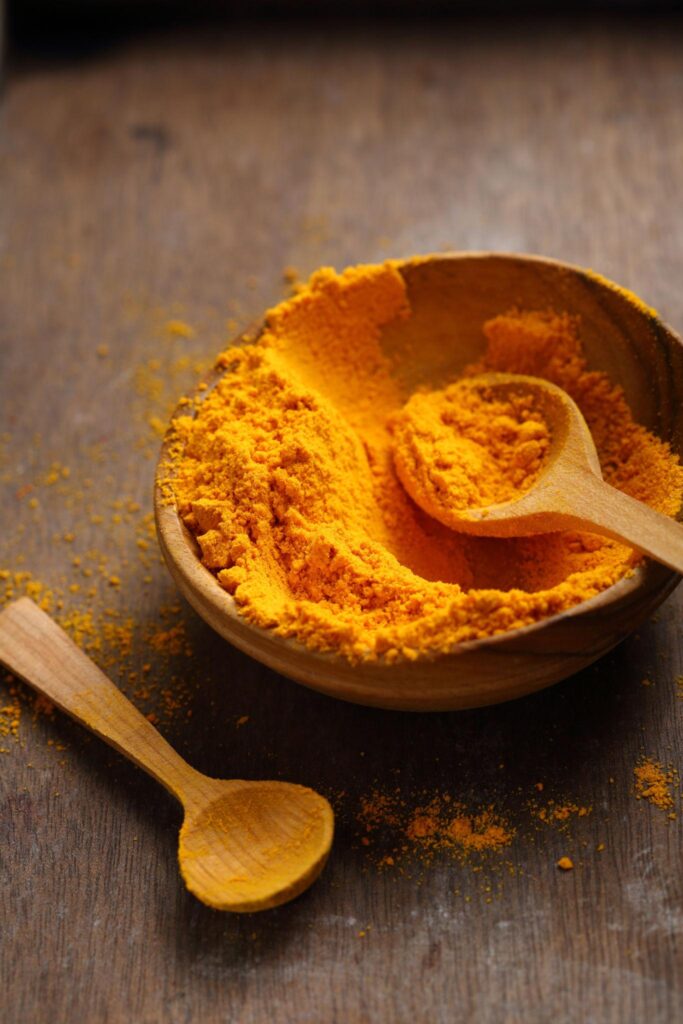
Pure turmeric usually has a warm golden-yellow appearance.
If the powder appears extremely bright or fluorescent, it may contain artificial coloring.
Weak Natural Aroma
Fresh turmeric powder should have an earthy, slightly peppery aroma.
A weak smell may indicate poor quality or excessive processing.
Excessive Residue
Pure turmeric should feel natural and slightly grainy.
If it feels unusually smooth or leaves excessive staining, further examination may be worthwhile.
Simple Home Tests for Turmeric Purity
Water Sedimentation Test
- Fill a transparent glass with water.
- Add one teaspoon of turmeric powder.
- Do not stir immediately.
- Observe the behavior.
What to observe:
- Pure turmeric generally settles gradually.
- Artificial color may quickly spread through the water.
Palm Test
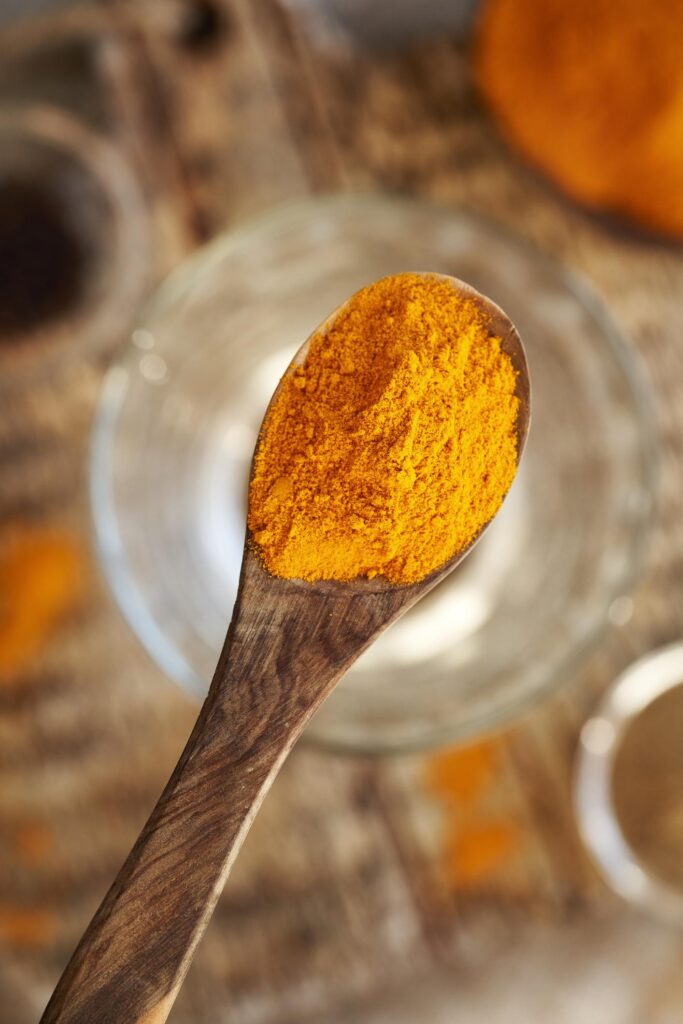
Take a small amount of turmeric powder.
Rub it between your fingers.
Observe:
- Natural turmeric leaves a light yellow stain.
- Excessively strong coloring may indicate added dyes.
Aroma Test
Smell the turmeric closely.
Look for:
- Earthy aroma
- Natural spice notes
- Freshness
Avoid products with little aroma or unusual chemical odors.
Why Choosing Pure Turmeric Matters
Pure turmeric helps preserve:
- Authentic taste
- Natural aroma
- Traditional cooking quality
- Naturally occurring curcumin
For families focused on quality ingredients, purity is an important consideration.
How to Buy Better Turmeric Powder
When purchasing turmeric:
✔ Check the aroma
✔ Look for a natural golden color
✔ Purchase from trusted brands
✔ Read labels carefully
✔ Prefer brands that emphasize transparency and quality
Frequently Asked Questions
How can I check turmeric purity at home?
Simple methods include observing color, aroma, and performing a water sedimentation test.
What color should pure turmeric powder be?
Natural turmeric generally has a warm golden-yellow color rather than an unnaturally bright appearance.
Why is curcumin important?
Curcumin is the naturally occurring compound associated with many of turmeric’s beneficial properties.
Is whole turmeric better than powdered turmeric?
Whole turmeric offers greater visibility into quality, while high-quality powder provides convenience.
Conclusion
Turmeric is a staple ingredient in Indian kitchens, but understanding how to identify adulterated turmeric powder can help ensure better quality and authenticity.
By paying attention to color, aroma, and simple home observations, consumers can make more informed choices and enjoy turmeric as nature intended.
Explore our product range for pure, unadulterated spices.